






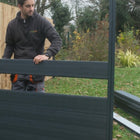



The Role of Steel Fencing in Low‑Waste, Circular Commercial Developments

As the built environment moves towards resource‑efficient construction, circular economy thinking is becoming essential to architectural specification. Designers across the UK are now expected to consider how every product contributes to waste reduction, longevity and performance. This shift is especially relevant in fencing and boundary systems, where shorter material lifespans have historically led to frequent replacements and unnecessary waste. Understanding circularity in fencing is therefore crucial for architects and specifiers who want to future‑proof their projects while supporting sustainability goals.
The circular economy represents a deliberate departure from the traditional linear system of take, make and dispose. Instead, it focuses on keeping materials in use for as long as possible by prioritising durability, reuse and recyclability. This transition is vital for the construction sector, which generates 62% of all waste produced in the UK. The UK Green Building Council has emphasised that a regenerative and circular economy must replace extractive, single‑use approaches if the industry is to deliver its sustainable future goals. Circularity applies not just to major structural components but also to boundary systems, which have often been overlooked despite their significant material consumption and frequent maintenance cycles.
Much of today’s fencing still follows a linear model. Timber fence posts, for example, rely on natural resources and typically offer limited longevity, especially when exposed to ground contact, moisture and seasonal weather conditions. Recent changes to timber treatment regulations have further reduced durability, leading to increasing rates of timber post failure. When materials deteriorate prematurely, the result is more replacements and more waste.

Concrete posts present their own challenges. Although concrete can be recycled - in theory, the process is complicated by the steel reinforcement bar within each post. The heavy weight of traditional concrete posts poses health and safety risks when handling, making end‑of‑life processing more difficult and less commercially viable. In practice, many concrete fencing components are removed from site and sent directly to landfill.

Steel fencing products offer a more effective route towards circularity. Steel is fully recyclable and supports open‑loop circularity, meaning that a steel fence post can be repurposed into a wide variety of other steel products without forfeiting quality. The construction sector already achieves steel recovery rates as high as 95%, creating a strong foundation for architects who want to specify truly circular materials. In addition to recyclability, steel offers superior durability, corrosion resistance and longevity, qualities that directly reduce the frequency of replacements.

For outdoor environments where materials are exposed to weathering, frost, moisture, UV and ground contact, longevity becomes one of the most powerful sustainability tools available. Circularity in fencing depends on using materials that last and materials that can re‑enter the manufacturing cycle at the end of their life. Steel successfully meets both conditions. By extending the service life of fencing systems and ensuring they remain recyclable, specifiers can contribute to a more circular construction landscape.
As circularity becomes a core expectation within planning, procurement and sustainability frameworks, material selection is becoming one of the most influential decisions an architect can make. Fencing may not be the largest component of a landscape scheme, but its replacement frequency and material volume make it a significant opportunity for improvement. Choosing recyclable, long‑life steel systems, like DuraPost®, enables designers to reduce waste, enhance longevity and deliver more resilient boundary solutions.

To support architects and specifiers in navigating these considerations, our RIBA‑approved CPD explores how material choice impacts durability and the circular performance of fencing systems, offering practical guidance for integrating sustainable materials into landscaping specifications. If you want deeper insight into circularity in fencing and how steel systems such as DuraPost® can strengthen the sustainability of your projects, book our RIBA‑approved CPD today and gain the evidence‑based knowledge you need to make confident, future‑ready specification decisions.
DuraPost® Commercial Developments
Create Extraordinary Spaces
Curious about commercial Development? Discover how DuraPost® can assist you.